English आवृत्ती
Stories of Shri Mahendra Baba ji
Harikishan Sharma
01
Source: Sixteen first-hand accounts told by Harikishan Sharma — son of Badriprasad Sharma
"Prem Kavi," an early devotee of Śrī Mahendra Mahārāj at Lohvan — and set down in writing by
Harikishan's own son, Ramakant Sharma. Gathered whole from the Tara bianca website
(`a-story-about-mahendra-baba`), where they were published in English, lightly edited here for
readability. See the provenance note below.
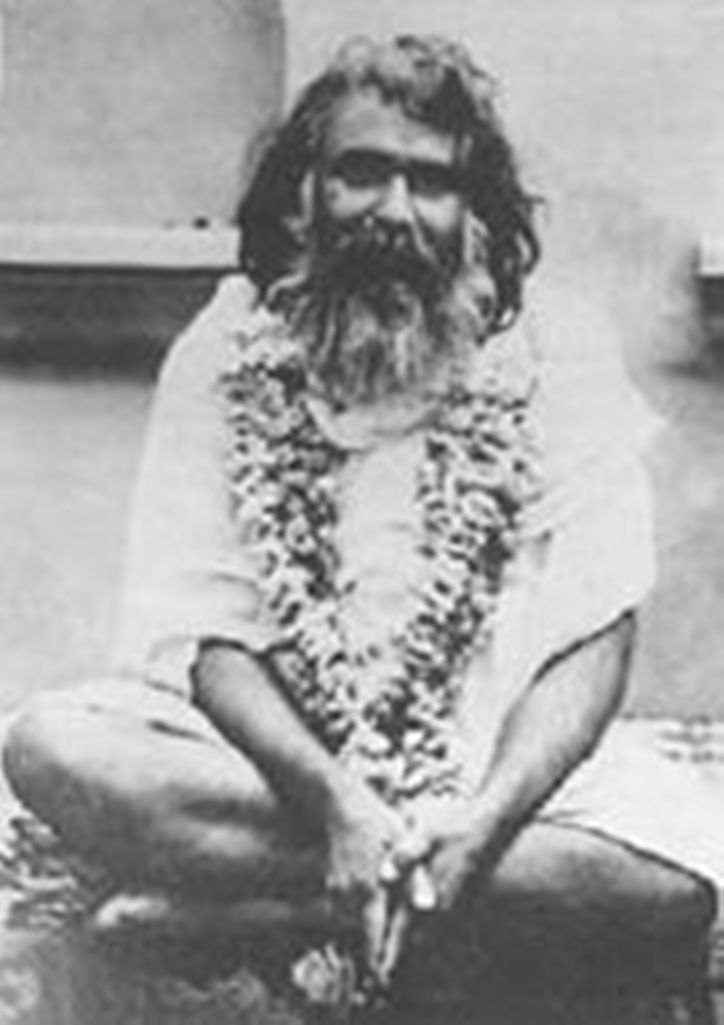
A call letter
Mahendra Bābā ji was a great saint — he had cosmic power. I asked my father about Mahendra Bābā
ji, and my father said Mahendra came to Lohvan around 1930. The first time he came to Lohvan,
Mahendra Bābā ji met my grandfather — my grandfather's name was Badriprasad. My father took
gurudakṣiṇā from him in 1957.
When my father was very young, my father and my father's uncle's son played the Rāmalīlā drama
together. Mahendra Bābā ji started the Rāmalīlā for the first time at Lohvan — it was organised
by him. My grandfather's name was Badriprasad Sharma "Prem Kavi," and my father's name is
Harikishan Sharma. (Ramakant Sharma)
I was listening to a story about Mahendra Bābā ji from my father. In 1957 my father missed a
call letter for my grandfather's new posting at a government school in Bandikui, Rajasthan. My
grandfather (Śrī Badriprasad Sharma "Prem Kavi") had a short temper, so my grandmother decided to
send my father to meet Mahendra Bābā ji. My father went to the Lohvan garden — Mahendra Bābā ji's
favourite place, where he always stayed. At that time Mahendra Bābā ji was going to Rāval, the
birthplace of Goddess Rādhārāṇī, very near Lohvan. My father Harikishan Sharma, Hubblal Mahashay,
and Ramesh Pujari ji went to Rāval with him. After they arrived, Mahendra Bābā ji went to bathe in
the Yamunā river. There was a cremation ground there, and my father said, "Bābā ji, this is a
cremation ground, please don't bathe here." Bābā ji said, "Lord Śiva used to bathe in such
places, so don't mind" — for Mahendra Bābā ji is himself an incarnation of Lord Śiva.
Bābā ji ordered a meal for the devotees and said, "While your food is being prepared, you must go
into the village of Rāval and beg food for me. Do you know how to beg? You must go to a
villager's home and say 'Rādhe' — if they refuse once, don't ask them again." My father Harikishan
Sharma, Hubblal Mahashay and Ramesh Pujari ji went out begging. They called at one villager's
home, said "Rādhe," and an old woman came out and said, "You are so young — why are you begging?"
My father said, "Don't say that — we are begging for Mahendra Bābā ji, our mentor." Food had been
prepared for them there (halwa, puri), and they went on. The next villagers gave them roti and
mattha (buttermilk), and they returned to Bābā ji, who had taken his food. "This is delicious
food," my father used to say. "When Bābā ji gave us that food as prasād, it was so delicious I
cannot describe it in words." Afterward Bābā ji said something to my father — Bābā ji, being
omniscient, knew that something was wrong at home. He told my father, "If your father is angry
with you, it is because he wants to teach you how to live your life — so don't mind. When you go
home, everything will be all right." That evening, when my father returned home, he found the
call letter there, and the family was happy. (Ramakant Sharma)
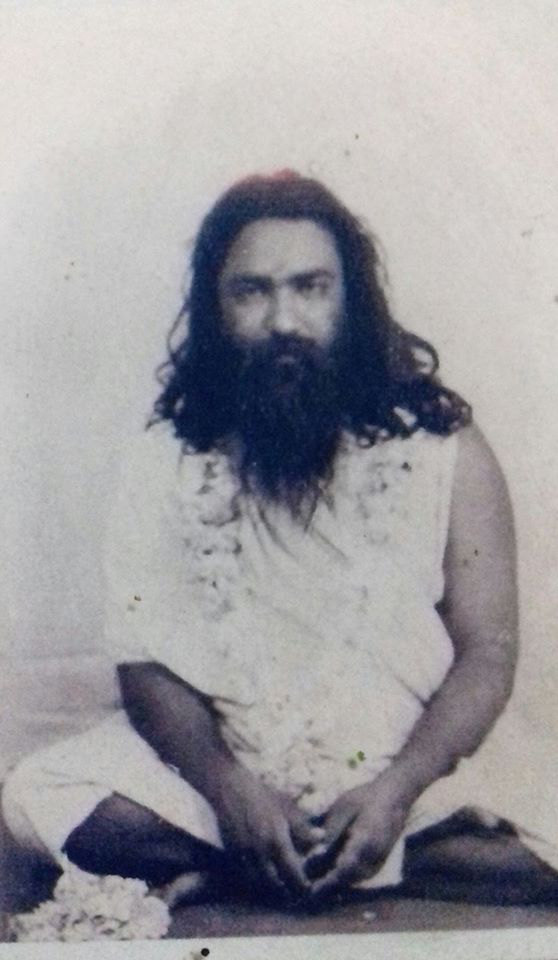
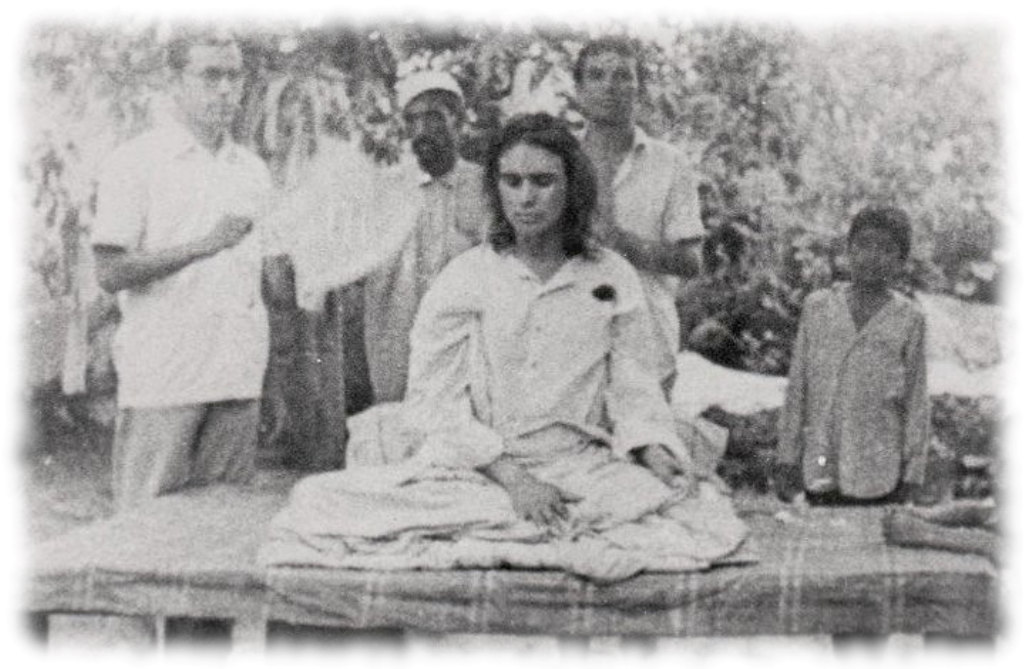
*This is a rare picture of Mahendra Bābā ji from when he was young, taken around 1934, near
Krishna Kund, Lohvan*
Who is God
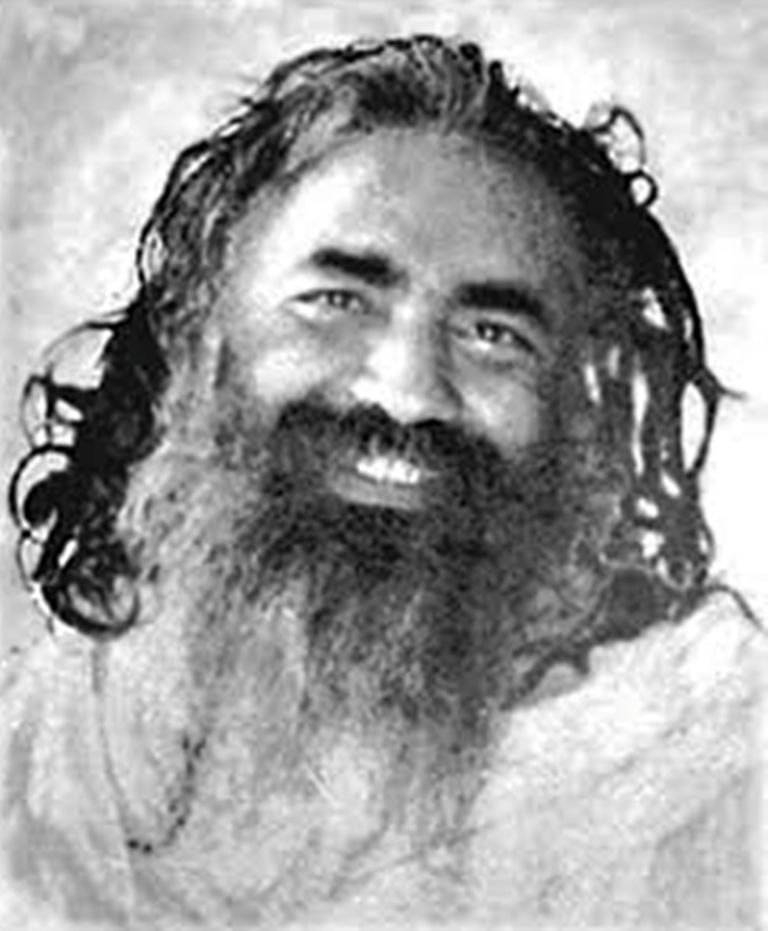
Śrī Mahendra Bābā ji
Mahendra Bābā ji dedicated his entire life to preparing the way for the reappearance of Śrī
Haiḍākhān Bābājī.
Mahendra Bābā ji held a reputed position in his time. In those days there were many saints of
reputed standing — Śrī Hathī Bābā, Uṛiyā Bābā, Prabhudatt Brahmachārī, Nīm Karolī Bābā, Harī Bābā,
Ānandmayī Mā, and Harinām Dās ji of Rāmanreti, Mahāvan, Mathurā — and all of them held Mahendra
Bābā ji in respect.
Once, Śrī Ānandmayī Mā held a meeting in Vṛndāvan to which many saints were invited, on the topic
"Who is God." Many saints gave their views. Then Mahendra Bābā ji presented his: "Whoever knows
the past, present and future is not God on that account, for there are siddhis (spiritual
attainments) by which one can see past, present and future, and there are siddhis by which one
becomes ubiquitous. Knowing these things through siddhis does not make one God. God means that
which is present at all times, ubiquitous and everywhere — that is God." Every saint present
agreed with Mahendra Bābā ji's view. (By my father Harikishan Sharma, Lohvan, Mathurā —
Ramakant Sharma)
A Nandi
In 1970, Haiḍākhān Bābā ji told his disciples that Śrī Mahendra Bābā ji was an incarnation of
Goddess Ambā; my father was among those present. Earlier — this story is dated to around
1940–1942 and was told by my grandfather, Master Badriprasad Sharma, to my father — Śrī Mahendra
Bābā ji was travelling on foot from Lohvan to Vṛndāvan with his disciples one evening, by an
unfamiliar route. When they reached a crossroads of four streets, they did not know which road
led to Vṛndāvan, since most people did not use that road. One disciple said as much to Mahendra
Bābā, and meanwhile it grew so dark that nothing could be seen. Śrī Mahendra Bābā ji told his
disciples to pray to Bhole Bābā (Lord Śiva): "Bhole Bābā will show us the way." It was then that
Śrī Mahendra Bābā, for the first time, uttered this verse — composed on the spot: "Śaṅkar dayā kī
mūrati ho, phir der itanī kyoṅ karo; dainya dukha duvidhā haro, karuṇā karo, karuṇā karo…" These
verses came afterward to be used in the ārtī. While they were praying, a Nandi (Śiva's bull)
suddenly appeared. Śrī Mahendra Bābā ji said, "Bhole Bābā ji has sent this Nandi to help us; he
will show us the way." He asked the Nandi to show him the way to Vṛndāvan, and with a nod of its
head, it led them there. The disciples of Śrī Mahendra Bābā ji told of seeing this Nandi appear
suddenly and disappear again once it had shown them the right way. (Ramakant Sharma)
Chaurasi Kos travels
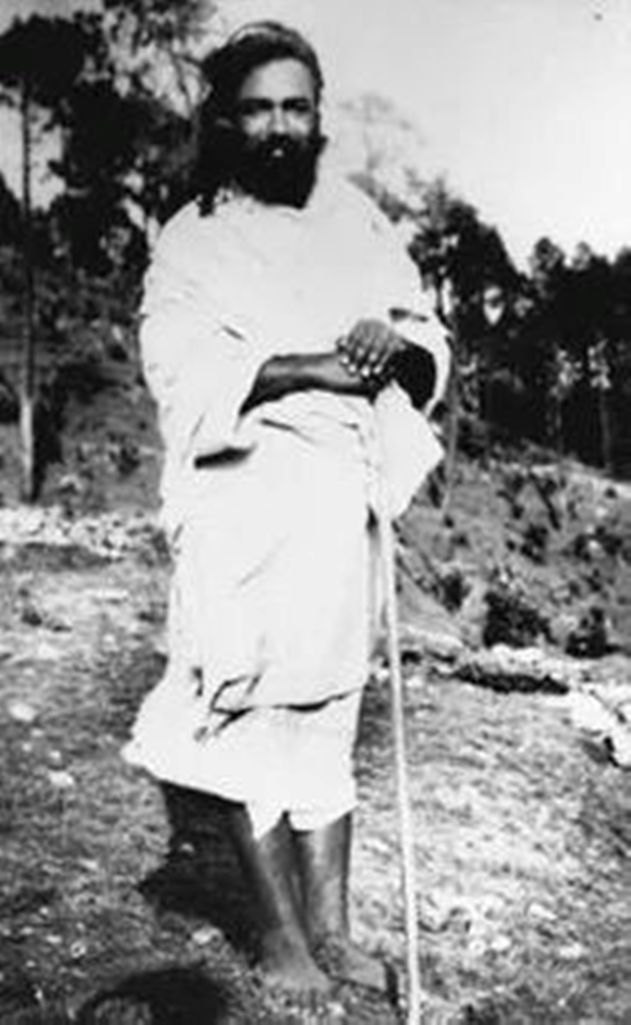
Śrī Mahendra Bābā ji
Mahendra Bābā ji loved Lohvan, and wherever he went he called himself a resident of Lohvan.
Returning at last from a pilgrimage to the Himālaya, he came to Lohvan and would say, "We too are
Lohvaniyā" (residents of Lohvan). Lohvan Dhām is a favourite place because it lies in the middle
of the Braj Bhūmi region — one could set out in the morning to see the sights of Barsānā,
Nandgāon, Dāūjī and the rest, and return in the evening to Lohvan. The old name of Lohvan, used
long ago, was Loh Jaṅgh Van (the iron-battle forest), because it was here that Lord Śrī Kṛṣṇa
fought and killed Lohāsur, a powerful iron-bodied demon. This forest is one of the twelve forests
of the Braj Bhūmi region. No pilgrim's Chaurāsī Kos parikramā (the 84-kos, roughly 168-mile
circuit) is complete without coming to Lohvan; people travel here from many countries to visit.
Here stand the temple of Gopīnāth ji, the Saptaṛṣi cave (of the seven sages, who practised penance
there) and other temples. Mahendra Bābā ji himself used to stay in the Lohvan garden by day and
in the Krishna Kund cave by night. Later Śrī Mahendra Bābā ji lived at Rādhānikuñj, in the centre
of Lohvan. He used to say, "We loved Lohvan also because when we came here nobody asked where we
came from, and while we were travelling nobody even asked whether we had money or not." (By my
father Harikishan Sharma, Lohvan, Mathurā)
Like a mirror
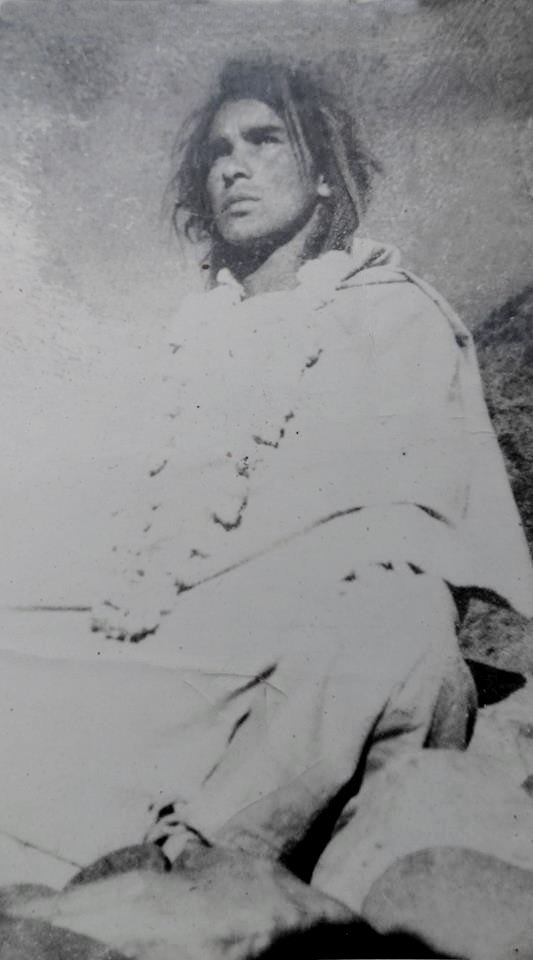
Śrī Haiḍākhān Bābā
When my father heard of the appearance of Bhole Bābā in 1970, Haiḍākhān Bābā was in the cave
having just completed forty-five days of tapasyā on Mount Kailāś. My father, in those days, was
travelling with railway staff, and went to Haiḍākhān with Girijāshankar Gupta, R. K. Gupta,
Chandra Vihārī, Rameshwar and others; but it was too dark to reach Haiḍākhān from Haldvānī the
same day, so they stayed the night at Rāmsingh ji's house — Rāmsingh ji, a devotee of Bābā ji, in
Ukhaldunga. The next day they left at 7 a.m. and reached Haiḍākhān at 9 a.m.
Bābā ji had golden hair, and the dhūnī burned in front of the cave while the devotees sang
kīrtan.
My father, while visiting Bābā ji, suddenly thought: "Bābā, I have not come to examine you — who
am I, who has passed no examination myself, that I should examine you?" The railway staff he had
travelled with began to wonder whether this really was Haiḍākhān Bābā ji, and my father told them
they would recognise Haiḍākhān Bābā with their own eyes, their faith and their feeling, and that
they should leave him to it. He then went and sat to one side.
At about 8 p.m. Bābā ji was sitting beside the dhūnī, and in a lota (small round metal pot) some
milk had been set on the dhūnī and had grown very hot. Bābā ji lifted the hot lota in his bare
hands, and my father began to recall that once, at the Sāmba Sadāśiva Kuñj in Vṛndāvan, his
Parama Guru Mahendra Bābā ji had drunk water from a lota in just the same way. My father then
thought Bābā might give him some water from the lota — and suddenly Mahendra Bābā ji called my
father over and gave him water. Bhole Bābā also gave him milk as prasād, saying, unprompted,
"Harī came here and offered me milk as prasād" — though my father had told no one, Bābā ji
included, that his name was Harī Kishan. All this happened quite suddenly. Then Bābā ji said, "Whoever comes here will be happy and will receive my love and trust; let no one doubt me,
and tomorrow they will all come with me on the journey to Siddheśvar." (From my father Harī
Kishan Sharma)
Spiritual power
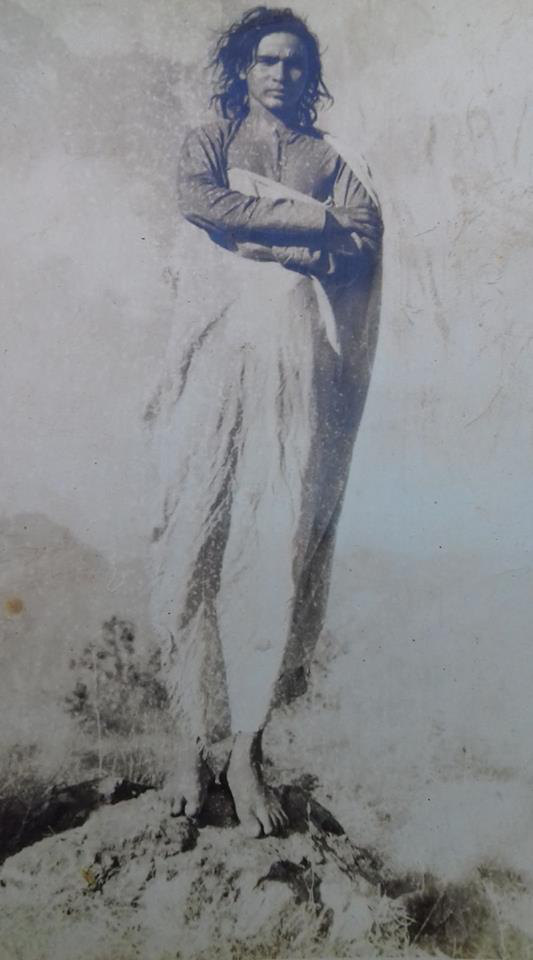
Śrī Haiḍākhān Bābā
(Part two.)
Bābā ji told everyone, "Tomorrow we will go to Mount Siddheśvar" — wearing shoes and sandals,
since the road there is thick with thorny scrub. The journey to Siddheśvar began in the morning.
After walking a while, Bhole Bābā's devotees would stop to drink tea from Chandramani, another
devotee of Bābā ji. About twenty-five or thirty devotees walked together with Bābā ji along the
rocky, thorny, broken road. Bābā ji wore nothing on his feet along that thorny way, which struck
me as a mark of pride in him. He walked ahead of us and we followed. Moving on quickly, he pointed
out a mountain and said, "The worship of Lord Śiva is carried out at Vṛndāvan — that is the Śiva
Liṅgam of Sāmba Sadāśiva — and there is a small pool of water on this mountain, but the Śiva
Liṅgam never submerges in it completely. That is a miracle in itself. This Śiva Liṅgam was
established by Devguru Bṛhaspati ji."
Further on there was a stone stairway, and everyone found some relief in climbing it; after a
while everyone had begun to sweat, and to suffer thirst and hunger. When we all reached Mount
Siddheśvar, the view was wonderful. At the top there was a havan kuṇḍ and tongs by the dhūnī of
Śrī Haiḍākhān Bābā.
We were all very thirsty and hungry, and it was a difficult moment. There was a fine patch of
grass there, and Bābā ji told my father, "Come here, Harī, and take this herb — it is needed for
the havan." Indeed, when the grass was pulled up, a very good smell came from it, and my father
brought the herb to Bābā ji. Bābā ji asked whether anyone had anything to eat, and my father said,
"I have some dates" — about a hundred grams of them — and another devotee gave an orange. Bābā ji
took the dates and the orange in his hands, repeated a mantra silently, and placed them in the
havan.
The fire suddenly blazed up, and inside the dhūnī (the havan kuṇḍ) a wholly fresh ash appeared.
All around lay dense forest. One devotee had a little water left; Bābā ji put some of it into the
fire, and as soon as he poured it in, all our thirst and hunger vanished, and a sense of
freshness came over everyone. Bābā ji showed us the DevGuru mountain in front of him, of which he
had spoken in relation to Siddheśvar, and said that the deities come here as the Nine Durgās,
playing drums whose sound descends from above, and that Mount Kailāś itself is only two feet and
six inches taller than this Siddheśvar. No one doubted any longer that this was the old Haiḍākhān
Bābā ji himself. Afterward Bābā ji came down very quickly, and we again took tea with the devotee
Chandramani. (By my father Harikishan Sharma)
Shri Haidakhan Babaji appears in the form of light
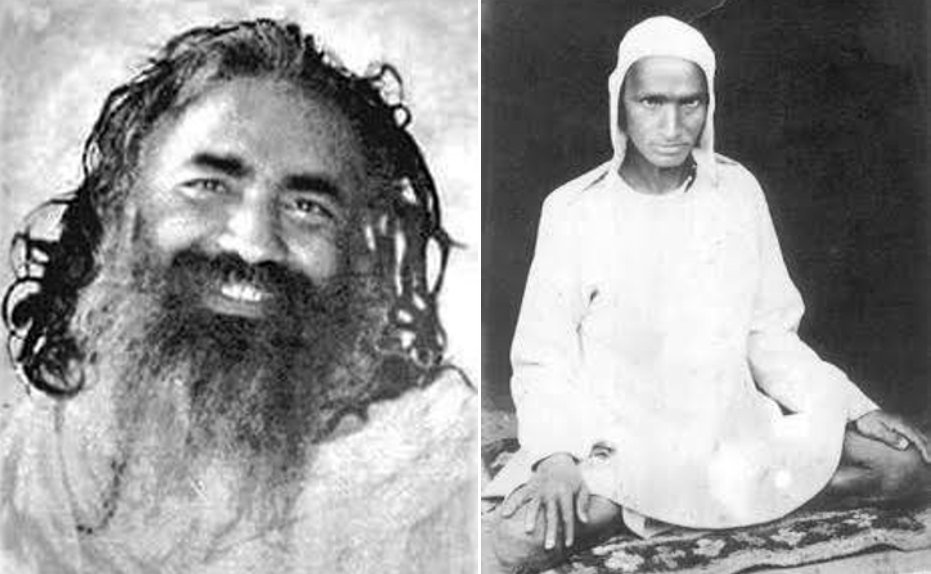
Śrī Haiḍākhān Bābā
In February 1958, great arrangements were under way at Kāṭhgharia, Haldvānī, Nainītāl, for the
installation of an idol of Haiḍākhān Bābā ji in the Haiḍākhān Bābā ji temple there. My father
wanted very much to go, but my grandfather, Badriprasad Sharma "Prem Kavi," a railway-school
teacher at Bandikui, could not raise the money at the time. So my father, thinking of Mahendra
Bābā and telling himself that everyone else would go but him, was approached that evening by a
woman of the village of Lohvan named Mahādevī, who asked whether he was going to Kāṭhgharia. My
father said he had no fare for it. The woman said she would give him the money, but that she
wanted to go along with him.
At that time the fare from Mathurā to Haldvānī was six rupees. My father then reached Kāṭhgharia
with that woman. There he and Chandra Bihārī sang verses of the Sāmba Sadāśiva Charitāmṛta,
composed by Viṣṇudatt Śāstrījī, my father keeping time by striking pots while they sang, and
Śāstrījī rendering the verses into Hindi.
On the 22nd of February — the fourth day of the bright fortnight of Phālgun, Vikram Saṃvat 2014 —
the day before the idol of Haiḍākhān Bābā ji was to be installed at Kāṭhgharia Āśram, on a
Saturday night around eleven o'clock, a circle of divine light was seen by a thousand devotees.
My father, Harikishan Sharma, was sitting at the time under a tree with Lakshman Siṃh, the Rājā
of Ambā jī, and with Dr Rāmgopāl ji; at a little distance, under another tree, a devotee of Nīm
Karolī Bābā sat tending a dhūnī. People were astonished to see a circle of divine light appear,
and then, within it, Haiḍākhān Bābā himself, seen clearly, wearing kurtā and topī, some four or
five feet above the ground. When the devotees drew near him, he rose further upward. The devotees
sang out, "Chandraśekhar! Chandraśekhar! Pāhi mām…" and tried to touch him. Then Haiḍākhān Bābā ji
circled the banyan tree and entered the temple, where an idol of Haiḍākhān Bābā ji stood and a
small bed had been prepared for him. He rested his divine feet upon that bed until the crowd of
people had gathered there; then, once they had come, Bābā ji left the temple and rose upward, and
so departed for Haiḍākhān straight through the sky, in the direction of Mount Kailāś. My father,
Viṣṇudatt Śāstrījī, Girdhārī Lāl Miśra (a judge), Chandra Bihārī Gupta, Girijāshankar Gupta,
Miśrīlāl, Devīcharan Bohre, Kanhaiyālāl, Paṇḍit Rāmgopāl, Hubblal Mahashay, Bankelal Bhagat,
Devkinandan Mahashay, Kāpūrī Devī, Muniyā Devī, and many other devotees all witnessed this divine
event. During it, in a room nearby, Mahendra Bābā had been occupied with a tailor, Rāmchandra, who
was making garments for the idol; hearing the commotion, Mahendra Bābā came out to find that Bābā
ji had already gone. He went to the temple and there found Haiḍākhān Bābā ji's divine white
footprint upon the small bed. The next day, a Sunday, some fifty thousand people took prasād at a
bhaṇḍārā. Afterward Mahendra Bābā had that footprint set within a glass frame, and brought the bed
bearing the framed footprint, together with the idol of Haiḍākhān Bābā ji, into the temple of
Sāmba Sadāśiva Kuñj, Vṛndāvan, at its founding in 1958. From that time devotees have taken darśan
there of the idol of Haiḍākhān Bābā ji along with the framed footprint on the bed, for many years
since. (By Harikishan Sharma, Lohvan, Mathurā)
On a pilgrimage
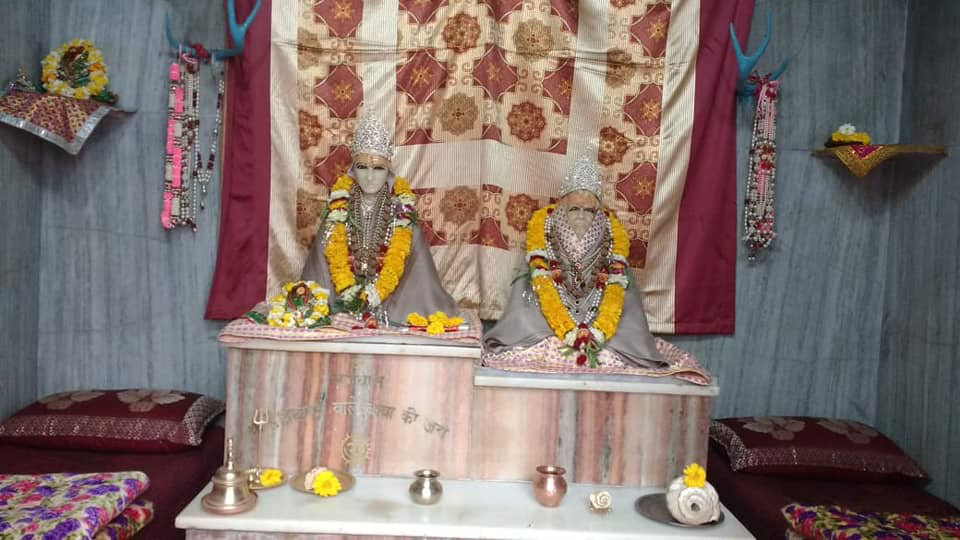
Haiḍākhān Bābā and Mahendra Mahārāj
In May 1965, Mahendra Charaṇāśrit Bābā ji installed an idol of Devī Durgā in the temple at
Kāṭhgharia Dhām. Among the disciples present were Lakshman Siṃh, Rājā of Abu Mount Ambājī, my
father Harikishan Sharma, Girijāshankar Gupta, R. K. Gupta, Miśrīlāl Gupta, Dr Rāmgopāl,
Rameshwar, Prahlād Pāṭhak (of Ahmedabad), Rāmgopāl (the postmaster), Bankelal Pāṭhak, and many
other devotees. After the installation ceremony a bhaṇḍārā (religious feast) was arranged, and
thousands of devotees received prasād. Afterward Mahendra Bābā decided on a journey to Śītalākhet
Siddhāśram. Soon after, Girijāshankar Gupta told my father, "We will go to Siddhāśram — two buses
have been reserved, and the fare is a hundred rupees a ticket." Hearing this, my father realised
he could not afford the journey, but said nothing to anyone; he thought to himself that he should
go if only he had the money, but at the time had only enough to return to Mathurā. When Rājā
Lakshman Siṃh, Girijāshankar Gupta and Dr Rāmgopāl went to Haldvānī to book the buses, Rājā
Lakshman Siṃh, checking the list of those going, did not find my father's name on it. He told
Girijāshankar Gupta to add Harikishan Sharma's name, but Girijāshankar Gupta explained that my
father had no money for it. On hearing this, Rājā Lakshman Siṃh said, "No — he will go," and paid
the hundred rupees for my father's ticket out of his own pocket. On the way back from Haldvānī,
Girijāshankar Gupta said, "Brother, when I asked you for the fare you said you would not come —
and the next moment you gave the money to Rājā Lakshman Siṃh yourself!" My father only smiled and
said nothing, understanding this to be Bhagavān's līlā. The next morning the party set out and
reached Śītalākhet by five in the evening, after which Mahendra Mahārāj went to Śrī Śiromaṇi
Pāṭhak's house and rested there a while.
Śrī Śiromaṇi Pāṭhak ji had passed away long before; his son now took my father and the other
devotees on to Siddhāśram, through the apple orchard that was his own. At that time a fraud was
living there, disguised as Haiḍākhān Bābā ji. Mahendra Bābā rebuked him: "You dare to pretend to
be Haiḍākhān Bābā ji Mahārāj — shame on you!" — and the man gathered his belongings from the room
where Bābā ji used to stay, and left. Mahendra Bābā then took up residence in that same room,
which faced a small Śiva temple. The devotees stayed about wherever they pleased, in a beautiful
and peaceful setting. Two deodar (pine) trees, named Nar and Nārāyaṇ, stood there, planted by
Haiḍākhān Bābā ji himself, who had once brought forth a spring at that spot merely by pressing his
thumb against a rock; everyone bathed the next morning in the water of that sacred stream.
Mahendra Mahārāj sent my father Harī Kishan Sharma, Rājā Lakshman Siṃh and Dr Rāmgopāl to visit
the nearest cave. On the way, as they wondered how much further they had to go, a boy of twelve
or fourteen appeared and offered to guide them. After a time they reached the cave, and the boy
said, "The path to this cave comes out at a place called Padam Borī. Haiḍākhān Bābā ji and
Sombārī Bābā have both come this way before; sometimes a tiger passes through here, and no one
else has the strength to use this path." Fifteen feet into the cave was a well of water, two feet
deep with about a foot of water in it; the boy said Bābā ji Mahārāj used that water for washing
after answering nature's call, and that the well was never known to run dry, though no one knew
how it stayed filled. Asked his name, the boy answered, "Rādhe" — a name that also appears in the
book Anupam Kṛpā, where Mahendra Bābā follows a boy of that same name on his own journey. Asked
to tell something of Haiḍākhān Bābā ji, Rādhe said that once a bird had come from nowhere to a
tree there and begun to speak in its own tongue, and that a tiger skin then appeared instantly,
spread beneath the tree, with Haiḍākhān Bābā ji seated upon it, plainly visible. Having said this,
Rādhe went off down toward his village, and the party went on directly to Siddhāśram. That
evening Mahendra Bābā told them to rest at the junior high school further up the hill.
On the third day, everyone came down again to bathe, but Prahlād Pāṭhak's wife was suffering
great pain in her knees and could go no further; my father and Pāṭhak ji tried to help her down,
but lost the way back to the āśram and wandered about in some anxiety. Then a man came toward
them and asked where they were going. Pāṭhak ji explained that they were bound for the āśram but
had lost the path. "This is not the right way," the man said. "I will show you." He walked with
them a little way, pointed onward and said, "Follow this path straight down — you will arrive
there" — and when they looked back after walking a distance, he was nowhere to be found. When
they told Mahendra Bābā the whole story afterward, he only smiled. Later, Mahendra Bābā sent
everyone to visit the temple of Syāhī Devī, where they took darśan and drank from a great well
there, and all their tiredness left them. Mahendra Bābā ji brought back an idol of the Devī from
that place, which is kept today, safely, to the right of Haiḍākhān Bābā ji's idol at Sāmba
Sadāśiva Kuñj, Vṛndāvan. (By my father Śrī Harikishan Sharma, Lohvan)
A special darshan
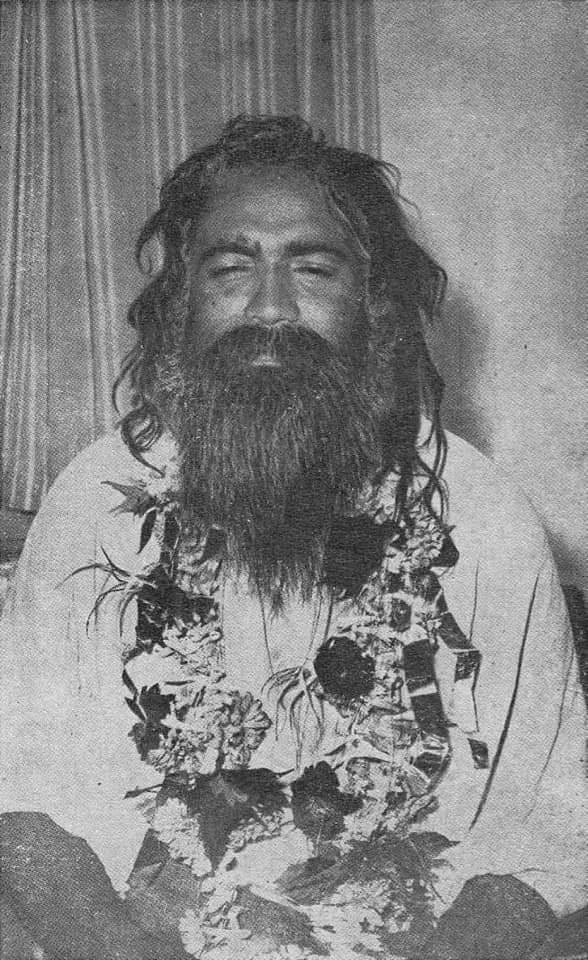
Śrī Mahendra Bābā
Parama Guru Śrī Mahendra Bābā left his body on the 23rd of June, 1969, at Miśrīlāl Gupta's house
in Haldvānī. A year later, on the anniversary of the day he had left his body, a memorial
ceremony was held at the Śrī Rām Mandir in Haldvānī. Present were a group of devotees — Miśrīlāl
Gupta, Śrī Shyām Bihārī Lāl Gaur, Śrī Śivcharan Gupta (Vijay Gupta's elder brother) and his
mother, Śrī Ramesh Tiwari (the pujārī) and his mother Smt Muniyā Devī ji, Rāmgopāl (the
postmaster) and his wife Smt Kirān Devī, Śrī Rameshwar, my grandfather Śrī Badriprasad Sharma, my
grandmother Smt Premvatī, my father Śrī Harikishan Sharma, my mother Smt Meena Devī, my aunt Smt
Gāyatrī Devī, Sāvitrī Devī Kumudbasnī, and my uncle Śrī Ashok Sharma.
Afterward they planned to go on to Haiḍākhān, but the Gautam Gaṅgā river had flooded after rain
the night before. About twenty-five or thirty devotees set out on the journey regardless. As they
were crossing the river, already nearly flooded, a truck came from Haldvānī and started across;
though it was completely empty, the driver refused to carry them across in it, and shortly
afterward the truck itself became stuck in the middle of the river. The devotees, holding one
another's hands and chanting Haiḍākhān Bābā ji's name, crossed the river on foot; it was a hard
crossing, but they reached Bābā ji's place at last. There they rested, and everyone grew thirsty;
Śrī Śivcharan Gupta, Vijay Gupta's elder brother, went into the dense forest to look for water and
returned to say there was some there, and all of them drank. After three hours they reached
Okaldunga, and after another three hours' rest, Herakhan.
At that time Bābā ji's dhūnī stood in a hut on the spot where Bābā ji's Samādhi now stands at
Herakhan; the tongs once used by Munīndra Mahārāj were said to be buried there. Some of the
devotees rested while others sang Haiḍākhān Bābā ji's name in kīrtan, through a night of heavy
rain. Around midnight, the devotees looking toward Mount Ādi Kailāś suddenly saw a ball of bright
light — seen first by Ramesh Pujārī and my father, who were sitting near the dhūnī — moving toward
the cave. It circled the cave, and from that bright orb two figures emerged: one a bearded man,
the other a young man dressed in white. By now everyone could see it. The river was too flooded
for anyone to cross to the other side and come closer, and seeing the ball of light, the devotees
began to say, "Bābā ji has come — let us begin kīrtan." This continued until three in the morning,
and the whole place was filled with pure joy. The next day a bhaṇḍārā was arranged, with halwa and
puri, and not long afterward Śrī Haiḍākhān Bābā ji appeared in the cave on Mount Ādi Kailāś.
Fire, water and earth
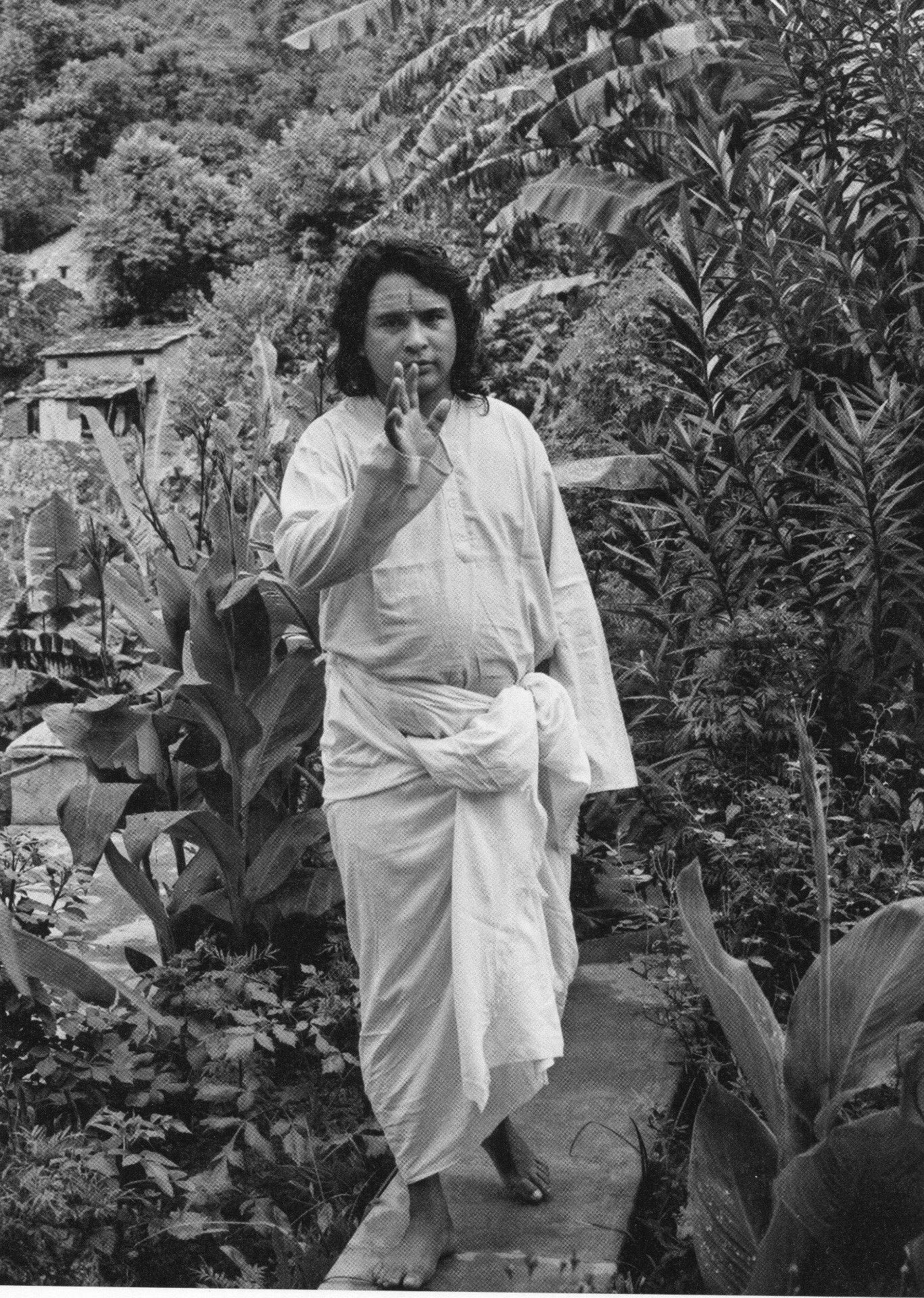
Śrī Haiḍākhān Bābā
In 1970, a week after Bābā ji's yātrā to Siddheśvar, my father, with Bābā ji's permission,
returned home to Achhnera. Later my family — my grandfather Badriprasad, grandmother Premvatī, my
mother Meena Devī, uncle Ashok, aunt Gāyatrī Devī and Sāvitrī Devī — set out for Haiḍākhān from
Haldvānī by way of Ukhaldunga. Arriving in Ukhaldunga after dark, in a place quite unknown to
them, they were somewhat afraid, and began praying to Bābā ji; at that moment a girl of about
twelve appeared and said, "Are you all going to Haiḍākhān? I am going there too — I will show you
the way." She then walked ahead and they all followed her, their fear giving way to a sense of
relief, feeling that some divine power had come to guide them. It was nearly nine in the evening
when they reached the Haiḍākhān Āśram, their minds now at peace — but when they looked for the
girl, she had vanished. They stayed a week at Haiḍākhān, and when they went to Bābā ji for leave
to depart, he said, "I am going to Vṛndāvan — you will all come with me." So they travelled to
Sāmba Sadāśiva Kuñj, Vṛndāvan, by the Kāṭhgodām Express. At Vṛndāvan, Bābā ji's procession went out
from Sāmba Sadāśiva Kuñj on an elephant, and they stayed there fifteen or twenty days. Later my
father asked him where he wished to go, and Bābā ji answered, "Wherever Mahendra Bābā ji has
gone." My father asked again, "How many more years will you remain with us?" and Bābā ji said, "I
will be twelve or fourteen years more, and then I will mix with fire, water and earth." (Harikishan,
Lohvan, Mathurā)
The Guardian
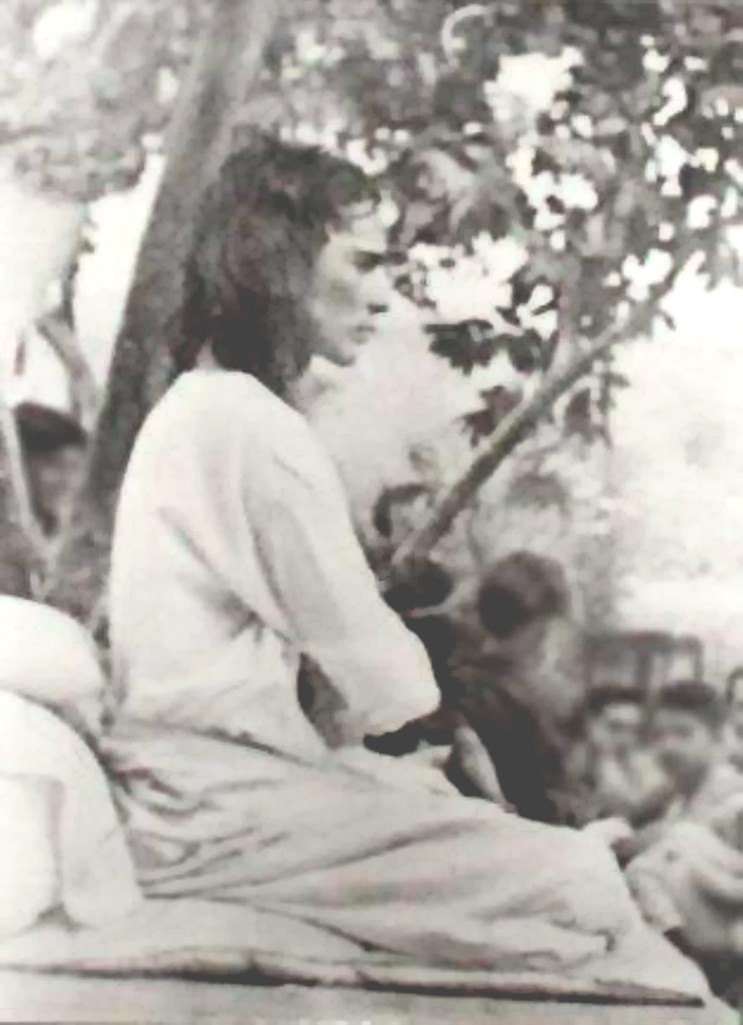
Śrī Haiḍākhān Bābā
Navarātri was to begin on the 20th of September, 1971, and in the month before it Bābā ji left
Vṛndāvan for Kāṭhgharia. The āśram was in poor condition, full of dirt, and many devotees did
karma yoga cleaning the whole place; devotees came from far and wide, and my father Harikishan
stayed there a month. Each day's programme included readings from the Devī Bhāgavat, kīrtan and
satsaṅg, chiefly led by Śrī Viṣṇudatt Śāstrījī. When my father arrived, Bābā ji set him the task of
being a guard and handed him a staff. At night, sitting beneath a banyan tree, my father would
read the Durgā Saptaśatī and the Puṇya Smṛti, sing the divine mantras composed by Śrī Mahendra
Mahārāj, and keep watch all night by Bābā ji's order.
In those days devotees brought Bābā ji buckets full of milk, and Bābā ji said to Naththīlāl ji
(the vaidya, or physician), "Here are buckets of milk, and Harī does his work all night without
getting even a little of it. From today, give Harī a lota of milk every day." The vaidya told my
father, "You should ask me for milk every day, since it is Bābā ji's order." My father said, "I
can't ask you for it every day, but if you give it, I will gladly accept it." "All right," the
vaidya said — but one day he forgot, and the next day Bābā ji said to him, "Yesterday I sent you
forty litres of milk — what did you do with it?" That milk had not been bought in any shop but
offered by devotees to Bābā ji out of devotion. The vaidya understood that Bābā ji was asking him
this because he had forgotten to give milk to my father — though my father had told no one of it.
The vaidya replied to Bābā ji that the amount of milk had been the same as usual, though in
reality he had simply forgotten. Bābā ji only smiled and said, "As long as Harī lives here, don't
forget to give him his milk — give it to him every day." Afterward the vaidya told my father that
Bābā ji had asked him to give him milk, and promised to see to it from then on. (Harikishan,
Lohvan, Mathurā)
The ninth pandit
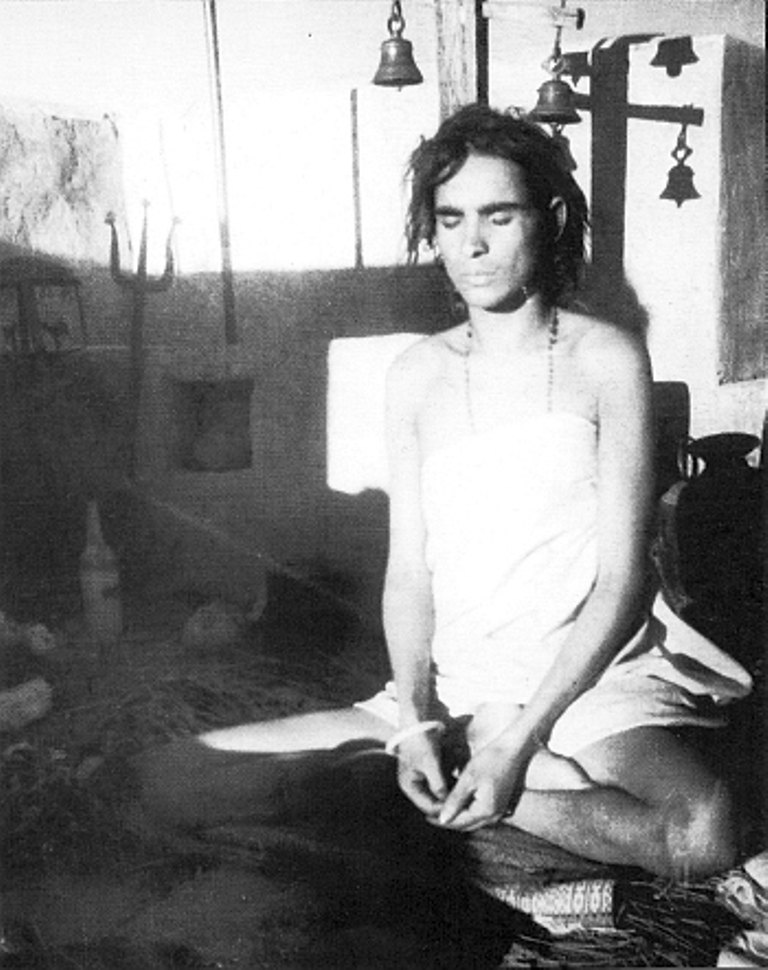
Śrī Haiḍākhān Bābā
On the 20th of September, 1971, before the Navarātri pūjā, Viṣṇudatt Śāstrījī pointed out to Bābā
ji that there were only eight paṇḍits (priests) for it. Bābā ji said, "Make Harī the ninth priest
— his Sanskrit pronunciation is correct, and he reads well." So Viṣṇudatt Śāstrījī told my father,
"Bābā ji has chosen you as the ninth paṇḍit — read the fourth chapter of the Durgā Saptaśatī in
Sanskrit." My father recited the ślokas and mantras correctly without reading from the text, since
he had them by heart. The next day the pūjā began, and thousands of people came from far away.
Bābā ji pointed out the site of the havan kuṇḍ at Kāṭhgharia and said, "Here I performed the
yajña." When the ground there was dug up, ashes and the old embers of burnt wood were found — the
remains of a nine-day yajña, during which Bābā ji had offered water in place of ghee to the
sacrificial fire. A saint named Nantin Mahārāj, well known in the Kumāū̃ region, came to the
yajña, and about a thousand people attended this Navarātri at Kāṭhgharia. After the yajña, Bābā ji
went on to Herakhan, and my father returned home near Vṛndāvan. (Harikishan, Lohvan, Mathurā)
In front of the court
Śrī Haiḍākhān Bābā
In those same days Bābā ji was summoned before the district court of Nainītāl, and had to appear
just before Navarātri — an MLA had filed a complaint against him for illegally occupying land and
property. On the day he had to present himself, many devotees prepared to go with him — Viṣṇudatt
Śāstrījī, Miśrīlāl, Devkinandan Mahashay, Yadrām, Jīvanlāl, Naththīlāl the vaidya, and thousands
of other devotees and onlookers besides. Bābā ji said to my father, "Harī, you will not come — you
will stay here and look after everyone's belongings."
When Bābā ji was brought before the judge, the judge said, "You came here with so many people —
tomorrow come alone, and bring no one." The next day, even more people came than before, and once
again the judge remarked on it; Bābā ji answered that he himself had brought no one, and that they
had all come of their own accord. The judge asked his name, and Bābā ji said he did not know it.
The judge asked who had educated him, and Bābā ji said it had been Bhairavnāth ji. Asked what his
qualifications were, Bābā ji said he had undertaken no formal education anywhere, but that he
knew the Vedas. "What is the oldest Veda?" the judge then asked. "The Ṛg Veda," Bābā ji answered.
"You may go now," the judge said. My father later learned all this from Miśrīlāl and the other
devotees who had been present. (Harikishan, Lohvan, Mathurā)